Book Your Trip Like a Sommelier Would: Provenance, Season, and Palate
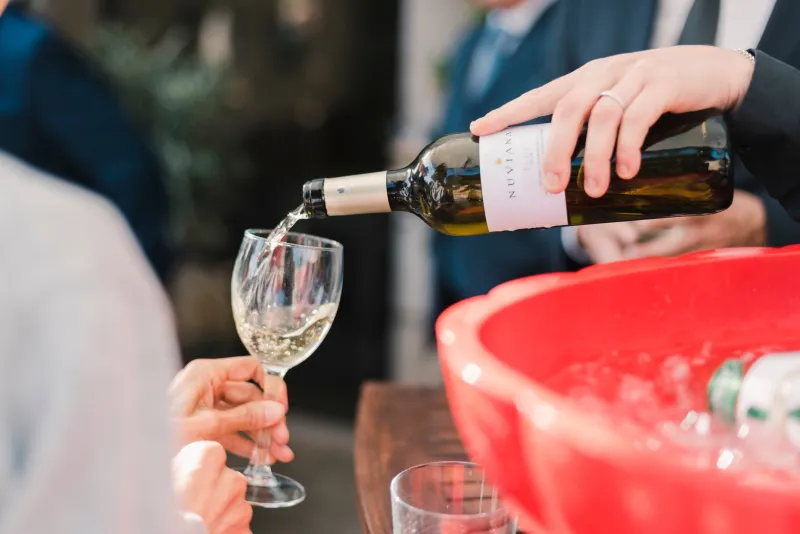
Ask a sommelier why a wine works and they won't say "it got good reviews." They'll talk about the slope of the hillside the grapes grew on, whether it rained too much that year, and whether the bottle suits this meal, tonight, for you.
Now ask yourself why you booked your last trip. If the honest answer is "it popped up first" or "the internet said so," you're not curating. You're letting an algorithm pour.
Here's the method we use at Carmelita Tours, translated from the cellar to the carry-on.
Step One: Know Your Palate Before You Browse
A sommelier never starts with the wine list. They start with you. What do you like? What have you hated? What are you curious about?
Do the same before you open a single tab. Write down three trips you loved and why. Was it the pace? The people? The food? The feeling of being slightly lost? Then write down one trip that fell flat. That list is your palate profile, and it matters more than any "best of" ranking.
If you can't articulate what you want out of a place, every destination looks equally fine — and equally forgettable.
Step Two: Check the Provenance
Wine people obsess over where a thing comes from, because origin shapes character. Trips are no different.
Instead of asking "what's there to do in Portugal?" ask "what is this place actually known for, by the people who live there?" Not the UNESCO list — the deeper stuff. Oaxaca isn't just mezcal; it's a specific valley, a specific climate, a specific hands-on craft. The Palouse isn't just pretty hills; it's lentils and wheat and the communities built around them.
Provenance gives you a through-line. When everything on your itinerary connects to something the region genuinely produces, makes, or celebrates, the trip coheres. When it doesn't, you get the disconnected highlight-reel feeling that makes vacations blur together.
Step Three: Respect the Season
No sommelier would pair a heavy red with a July afternoon. Yet we book trips to the wrong places at the wrong times constantly.
Every destination has a season when it's genuinely itself. Coastal Maine in October. The desert in February. New Orleans in December, when the humidity lifts and the locals come back outside. Harvest calendars, migration patterns, festival schedules, even school calendars — all of it shapes what a place will actually feel like.
A simple rule: pick the destination after you pick the moment, not the other way around. "I want to go somewhere in early November" is a better starting point than "I want to go to Japan" followed by a shrug about timing.
Step Four: Pair, Don't Pile
Here's where the sommelier metaphor earns its keep. A great pairing isn't about more — it's about fit.
Look at your draft itinerary and check the pairings. Does the high-energy city leg flow into the quiet countryside leg, or do they clash? Does a morning market visit pair with an afternoon cooking class, or are you shoving three contrasting experiences into one day until nothing tastes like anything?
A useful test: for each day, name the single experience you'd be sad to miss. If you can't, the day is over-poured. Cut until every day has its anchor.
Step Five: Ask Who's Pouring
The last layer is people. Sommeliers trust their suppliers; smart travelers should too. That family-run pension, that guide who grew up three streets over, that market vendor who tells you which stall to skip — these are the vintners of your trip.
Wherever you can, book through humans with a stake in the place. It costs a little more and returns a lot more.
The Printable Framework
Before your next booking, answer these five questions on paper:
- Palate: What three things do I want more of from travel, based on trips I've loved?
- Provenance: What is this destination genuinely known for by locals?
- Season: Is this the time of year when the place is most itself?
- Pairing: Does each day have one clear anchor experience, and do the days flow?
- People: Who locally am I buying from, and do they have a story?
Five questions. That's the whole method. Run any prospective trip through them, and the ones that deserve your money — and your limited vacation days — will start to separate from the ones that merely ranked well.
Curation isn't about exclusivity or expense. It's about intention. The sommelier's secret isn't access; it's attention. Pour yourself a trip the same way, and even a modest budget tastes like something rare.