The Room You Remember: Why One Gallery Is Worth More Than the Whole Museum
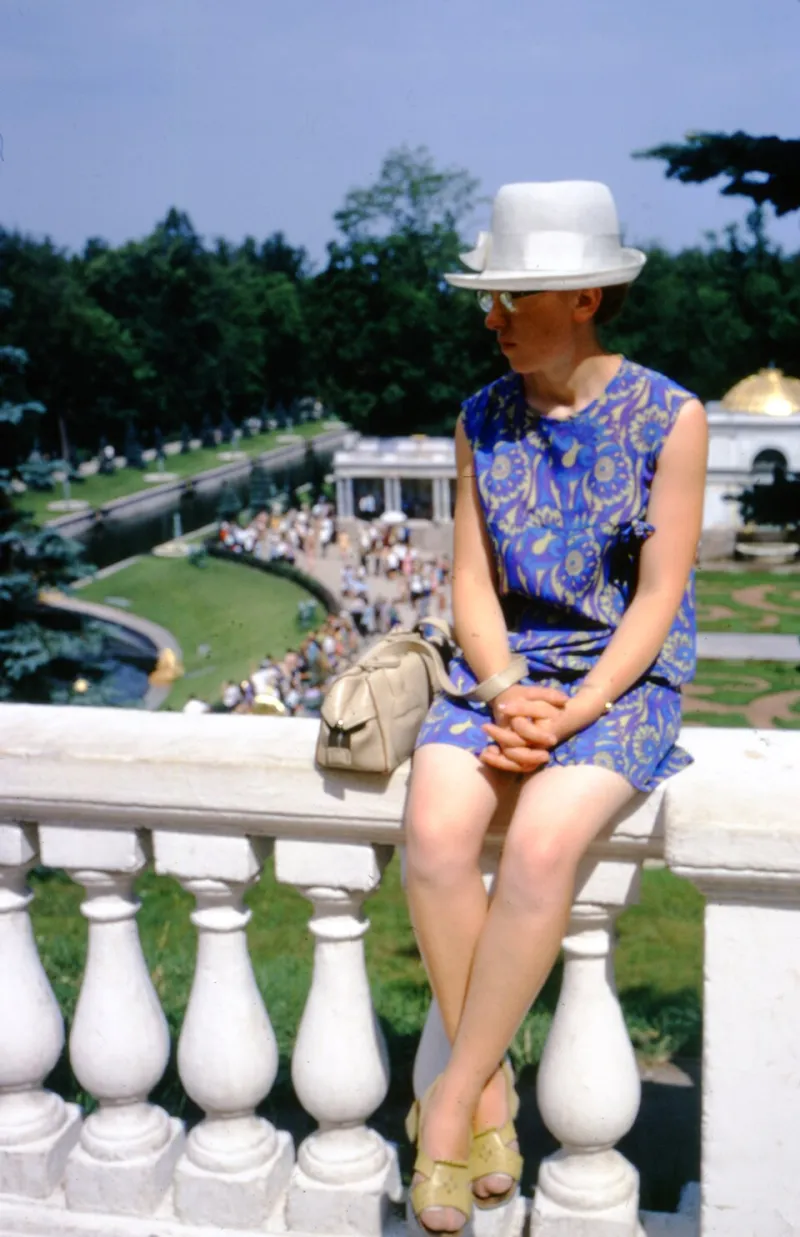
Photo: Thomas Taylor Hammond (1920-1993), CC BY-SA 4.0, via Wikimedia Commons
I used to be a museum completionist. Map in hand, highlights circled, a route optimized like a delivery driver's. Three floors, four hours, one hundred and twelve objects observed and approximately two remembered.
The two I remember are both from the same room. Not the famous room. A side gallery, half-empty, where I sat down because my feet hurt.
That was years ago, and it's changed how I travel. I'd like to make the case for seeing less.
The arithmetic nobody wants to do
A big American art museum holds more than a million objects and shows a few percent of them at any given time. Your ticket costs what a nice dinner costs. Your attention, realistically, has about ninety honest minutes in it before it starts skimming.
So the math is brutal. If you see one hundred works in ninety minutes, you've given each of them roughly fifty seconds, minus the walking. You didn't look at them. You scanned them and checked a box next to them. That's not a museum visit; that's inventory.
I'm not against the full-building sweep. If it's your only visit ever, sure, go. But most of us aren't doing a once-in-a-lifetime trip. We're doing a Tuesday.
How to choose your one room
Pick by appetite, not prestige. Skip the marquee gallery if it doesn't interest you. The painting everyone photographs will still be there next decade.
Follow one object. Maybe you came for a single thing — a portrait, a pot, a piece of furniture. Good. Go to it, and then stay in its neighborhood rather than racing to the next wing. Rooms are curated conversations; the object's neighbors are part of the argument.
Ask a guard. This is the most underused resource in any museum. Guards stand in the same room for hours and know exactly which ones stay quiet. Ask what they'd look at if they had twenty minutes. You'll get an answer you can't find in an app.
Look at the floor plan for the smallest gallery. The little rooms at the end of a corridor are where the staff put things they love and don't expect to be crowded.
What slow looking actually feels like
Honestly? Boring, at first. Uncomfortably so.
There's a well-known exercise from a Harvard art history class in which students were assigned to spend three hours with a single painting. The first stretch is agonizing — you feel the itch to move, the sense that you're wasting time, the urge to read the wall label so you can be done. Then something shifts. You start noticing the edges, a repaired crack, the way a background is barely finished, a hand that's a little wrong.
Here's a version you can do in an hour:
- Ten minutes before the label. Look first. Guess what it is, what it's about, who paid for it.
- Read the label. Then look again for ten more. Now you know what you're looking at. The second look is a completely different activity.
- Move around it. Left, right, close, across the room. Objects change with distance.
- Find one detail nobody photographs. The shoes. The background. The frame. The back of a sculpture, if you're allowed.
- Sit down for the rest. Sketch it badly if that's your thing. Nobody's grading you. Ten minutes on a bench is worth forty standing.
You will not do all five steps on the first try. That's fine. Do two.
Leave something unseen on purpose
This is the part people resist, because it feels like wasting a ticket. But an unvisited wing is an invitation, not a failure. The museum isn't going anywhere. Neither, presumably, are you.
I've started ending museum visits early and going to get coffee instead, sitting in a plaza and thinking about one thing I saw. Those are the afternoons that survive the trip. The comprehensive visits blur into a single impression of polished floors and sore feet.
There's a reason the room I remember was half-empty. Nothing competed for my attention, so I gave it away freely.
A permission slip
If you take one thing from this, take the permission to leave. Leave the second floor. Leave the special exhibition with the long line. Leave after one hour, having looked at nine things with actual interest, and go be somewhere else in the city while you still have energy for it.
You'll come home with a story about a painting instead of a list of everything you walked past. That's a better souvenir, and it weighs less.