The Flight You Didn't Need: Three American Cities Serving Up Europe Without the Layover
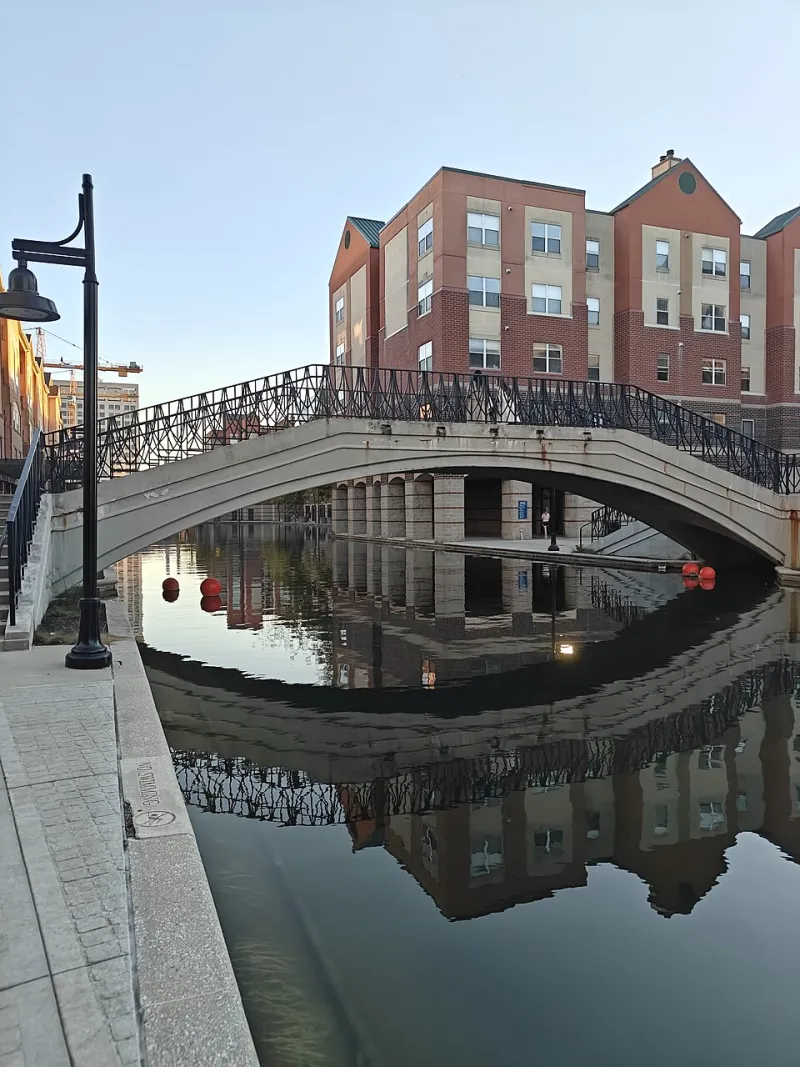
Photo: Riftmaker, CC0, via Wikimedia Commons
Here's a confession from the travel-writing trenches: I once spent a fortune on a flight to Lisbon and spent the whole week thinking about a dinner I'd had in Denver six months earlier.
Not because Lisbon disappointed. It didn't. But because somewhere over the Atlantic it hit me that the things I loved about European cities — the walkability, the chefs who own the room, the wine bar where the bartender remembers your order by night two — were increasingly available a two-hour flight (or a short drive) from my house. I just never thought to look.
The Curiosity Gap
Here's the double standard we all carry: when we land in Prague or Porto, we assume there's something worth discovering. We wander. We ask locals where they eat. We give the place a chance to surprise us.
When we land in a mid-tier American city? We assume we've seen it. We book the airport hotel, grab a chain sandwich, and treat the place as a waypoint.
That assumption is about a decade out of date. American cities that spent the last century in the shadow of the coasts have quietly built the exact experiences we cross oceans to find. The restaurant scene alone should make you reconsider your booking habits.
Denver: The Mountain City That Eats Like a Capital
Denver spent years as a punchline — a place you passed through on the way to the Rockies. Those days are done. The city now runs on a farm-to-table circuit that isn't a marketing slogan but a supply chain: the Western Slope's peaches and the San Luis Valley's potatoes show up on menus within days of harvest.
What makes it feel genuinely European, though, is the density. RiNo and the Highlands pack tasting counters, natural wine shops, and neighborhood trattorias into walkable stretches where you can string together three meals and a bar without touching your car. Add Colorado's own cider and craft brewing culture, and you've got a food city with real regional identity — not a copy of anywhere else.
Providence: The Little Capital With a Big Kitchen
Providence has two things most cities can't buy: Johnson & Wales University pumping trained cooks into the local scene for decades, and an immigrant history — Portuguese, Italian, Cape Verdean, Dominican — that shows up in every neighborhood bakery and lunch counter.
The result is a compact city where the clam cakes are a point of civic pride, where old-school Italian markets on Federal Hill sit a short walk from ambitious chef-driven rooms, and where the whole thing costs half of what you'd spend in Boston, forty-five minutes away. It's the closest thing New England has to a European port town, and most Americans have never given it a weekend.
San Antonio: The City Where Cultures Share a Plate
San Antonio's story is America's story told in flour and masa. The puffy taco didn't come from a trend cycle — it came from generations of Tex-Mex cooking that predates most state borders. The city's River Walk gets the crowds, but the real action is in the West Side panaderías, the smoke-veiled barbecue joints, and the new generation of chefs treating Tex-Mex as the foundational American cuisine it is.
Walk from the missions to the market, eat three times, and you'll understand the borderlands better than any museum could teach you. That's what we're supposedly traveling for.
Try the Local Trick Abroad, at Home
Here's the exercise: take whatever you'd do in a foreign city and do it in one of these places. Arrive with no reservations beyond night one. Ask the bartender where they eat. Take the walking tour. Give the town the same benefit of the doubt you'd hand a stranger with a passport stamp.
The point isn't that Denver replaces Prague. It doesn't, and nobody's claiming it does. The point is that the curiosity we save for faraway places is a skill — and it works just as well on places we've been dismissing for years. The eight-hour flight is optional. The open mind isn't.