Harvest Season Is the Real Food Festival: 7 American Regions Eating Better Than the Big Cities Right Now
Every fall, millions of Americans book food pilgrimages to the same handful of cities, then spend the weekend on waitlists. Meanwhile, in farm country, the actual best meals of the year are being served twenty minutes from the nearest traffic light.
Harvest season is America's real food festival, and it doesn't require a reservation three months out. Here are seven regions where the eating is extraordinary — if you time it right.
The Palouse, Washington — Late August
The rolling hills of southeastern Washington and northern Idaho grow lentils, chickpeas, and wheat on some of the most fertile soil on Earth, and almost nobody visits for the food. That's their loss. Go in late August when the combine harvesters run till dusk.
Iconic dish: Lentil dal — the region hosts the National Lentil Festival every August, and the humble legume shows up everywhere from soups to burgers.
The local secret: The Moscow Food Co-op in Moscow, Idaho, sources from growers you'll have just driven past. Buy picnic supplies and eat them on a hilltop pullout.
The Ozarks, Arkansas and Missouri — September and October
The Ozarks have quietly become foraging country. Wild pawpaws, black walnuts, and muscadine grapes ripen in early fall, and small-town cafes cook like nobody's watching.
Iconic dish: Black walnut pie, a deeper, earthier cousin of pecan that you will not find outside the region.
The local secret: Mountain View's town square, where pie shops and old-time music happen within fifty feet of each other. Skip the guidebooks; follow the fiddle.
Coastal Maine — October
Everyone chases Maine in July. October is when the state eats best: the summer crowds are gone, the lobster boats are still out, and the apple harvest overlaps with peak oyster season in the Damariscotta River.
Iconic dish: A hyper-fresh oyster and a lobster roll eaten within sight of the boat that landed both.
The local secret: The Damariscotta Pumpkinfest in mid-October, where the town's giant pumpkins end up in restaurants as soup, bread, and everything else.
The Texas Hill Country — October
Austin gets the headlines; the Hill Country gets the harvest. Peaches finish in summer, but October brings pecans, wild game season, and the opening of small-town smokehouses' busy season.
Iconic dish: Brisket at a gas-station joint in Luling or Lockhart, eaten on butcher paper at a picnic table.
The local secret: Fredericksburg's Saturday market, where German-Texan heritage shows up in sausages, preserves, and peach fried pies.
The Hudson Valley, New York — Late September
Yes, it's near New York City, but the valley's farm towns out-eat the city in autumn. Cideries press the year's first batches, and farm-to-table here isn't a marketing term — it's a two-mile supply chain.
Iconic dish: Fresh-pressed cider and a sharp cheddar from a farm stand in Dutchess County.
The local secret: The Rhinebeck farmers market, where chefs from the area's restaurants shop in their own off-hours.
The Gila Valley, Arizona — November
Southern Arizona's second harvest — chiles, winter squash, heritage grains — runs when the rest of the country goes gray. The region's ancient agricultural traditions, including the oldest cultivated corn varieties in the US, are very much alive.
Iconic dish: Heirloom corn tortillas, nixtamalized and pressed the same day.
The local secret: The Ramona Farms stand and other Native growers at the Santa Cruz farmers market in Tucson — the best living pantry in the Southwest.
Appalachia's Fruit Belt, West Virginia — Early September
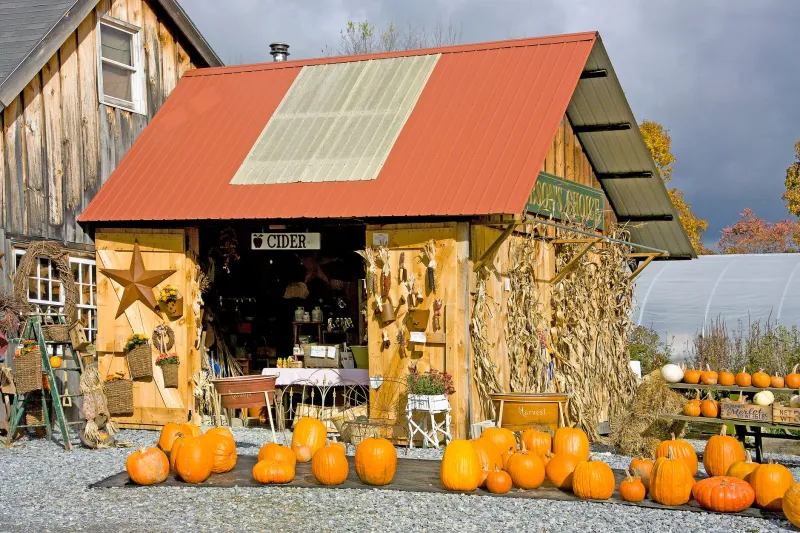
The mountain orchards around Berkeley Springs and Martinsburg grow apples older than the state itself, and September brings cider pressing, apple butter stirring, and roadside stands that run on the honor system.
Iconic dish: Apple butter on a hot biscuit, ideally made in a copper kettle at a community stirring.
The local secret: Morgan County's apple orchard stands, where a five-dollar bag often requires you to leave cash in a coffee can.
Timing Is the Whole Trick
Notice the pattern: none of these places requires money so much as calendar awareness. Harvest eating rewards the traveler who asks "when is this place at its most delicious?" instead of "what's famous there?"
Pick a month, pick a region, and drive. The tables are already set.