Ditch the Checklist: Building a Travel Bucket List That's Actually About You
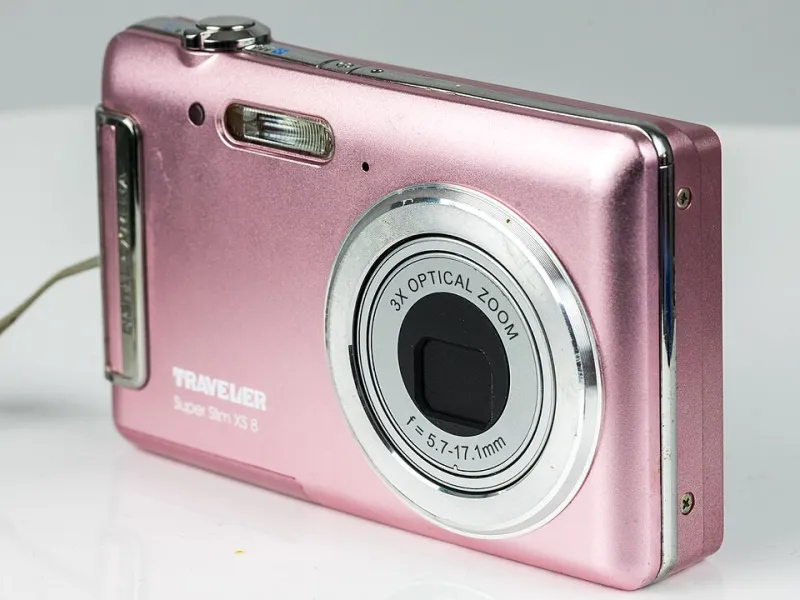
Photo: Raimond Spekking, CC BY-SA 4.0, via Wikimedia Commons
Let's be honest about where most bucket lists come from. A friend posts a photo. A travel magazine runs a "50 Places to See Before You Die" feature. An Instagram reel of someone standing at the edge of a canyon gets 200,000 likes. Before long, you've got a list of destinations that feel personally meaningful but were actually assembled by an invisible committee of content creators and marketing departments.
None of that is inherently bad. Some of those places are genuinely extraordinary. But there's a difference between a trip you took because it was on the list and a trip that rearranged something in you. The latter almost always comes from following a thread that's specific to who you are — not who the algorithm thinks you should be.
The Myth of the Universal Must-See
Here's a thought experiment: take two people with completely different lives, hand them the same "Top 10 Travel Destinations" list, and send them to each one. They'll have entirely different experiences — not just because of logistics or travel style, but because the meaning of a place is inseparable from what you bring to it.
A textile historian who visits Kyoto will spend her days in workshops learning about the 400-year-old techniques behind Nishijin weaving. A food writer will disappear into kaiseki dinners and ancient tofu shops. A landscape photographer will be up before dawn at temple gardens. A family with two kids under eight will have a completely different trip altogether. Same destination, four entirely different journeys.
The implication is significant: the destination itself is almost secondary to the lens through which you're traveling. And most standard bucket lists don't account for the lens at all.
Finding Your Actual Thread
So how do you figure out what your version of meaningful travel looks like? It starts with some questions that have nothing to do with geography.
What do you find yourself reading about when you're not planning a trip? If you consistently end up down rabbit holes about the history of jazz, or the craft of hand-thrown ceramics, or the evolution of textile dyeing techniques, that's not a coincidence. That's a thread.
What did you love before you knew it was "niche"? A lot of travelers suppress their genuine interests because they feel too specific. Someone who grew up obsessed with the history of American railroads might not think of that as a travel lens — but it absolutely is. The rail heritage sites of the American West, the preserved locomotive roundhouses of the Midwest, the story of how rail shaped cities like Chicago and Denver — that's a rich, underexplored travel framework that would mean far more to that person than standing in line at the Louvre.
What conversations do you remember from past trips? Not the landmarks, but the people and the exchanges. If the moments that stuck with you were sitting in a family-run restaurant listening to someone talk about their grandparents' migration story, or watching a craftsperson work at a bench in a way that hadn't changed in a century, that tells you something about where your travel instincts actually live.
Real Journeys Built Around Genuine Curiosity
The most memorable trips we've encountered from travelers in our community almost always have a unifying thread that goes deeper than the destination itself.
The Blues Highway Road Trip One traveler from Chicago — a lifelong music obsessive — spent two weeks driving the Mississippi Delta, stopping in Clarksdale, Greenville, and Indianola not because they were on any conventional travel list, but because the roots of American blues music run through those towns in a way that can't be experienced anywhere else. She visited the Delta Blues Museum, ate at hole-in-the-wall joints where musicians have played for decades, and ended up in a conversation with a local historian that lasted four hours. She's been back twice.
Industrial Heritage in the Rust Belt A retired engineer from Ohio became fascinated with the history of American steel production and built a trip around it — Bethlehem, Pennsylvania; Pittsburgh's Rivers of Steel National Heritage Area; the industrial museums of Cleveland. His wife, skeptical at the start, found herself genuinely moved by the human stories embedded in those sites. "It wasn't what I expected," she said. "It was about people, not machines."
Textile Traditions in the American Southwest A weaver from Portland spent ten days visiting Navajo Nation communities in Arizona and New Mexico with a focus on the living tradition of Navajo weaving — not as a tourist attraction, but as a practice with deep cultural roots. She took a workshop, visited galleries that support working artists, and came home with a single piece she saved up for and will keep for the rest of her life. No bucket list told her to do any of that.
A Framework for Rebuilding Your List
If you want to start over with a more intentional approach, here's a simple process:
Start with interests, not places. Write down five to ten things you genuinely care about — food traditions, architectural history, music, craft, ecology, language, whatever it is. Be honest. Then research where in the world (or in the US) those interests are most alive.
Let the place emerge from the interest. Instead of "I want to go to Japan," try "I want to understand the relationship between Buddhism and Japanese garden design." The destination becomes a container for something specific, which makes the whole trip more cohesive.
Give yourself permission to be unconventional. The best version of your travel list probably doesn't look like anyone else's. That's the point. A trip to the textile mills of Lowell, Massachusetts, or the blues clubs of Memphis, or the Indigenous pottery traditions of the Rio Grande Pueblos might not photograph as dramatically as the Grand Canyon — but for the right traveler, it's unforgettable.
Keep a few wildcards. This isn't an argument against iconic destinations entirely. If seeing the Grand Canyon genuinely means something to you, put it on the list. Just be honest about why it's there.
The List Is a Mirror
At its best, a travel bucket list isn't a catalog of impressive places you've been. It's a record of what you were curious about, what you wanted to understand, and who you were at the time you went looking. Built that way, it says something real about you — and the trips it generates tend to stay with you long after the photos have faded from your camera roll.